
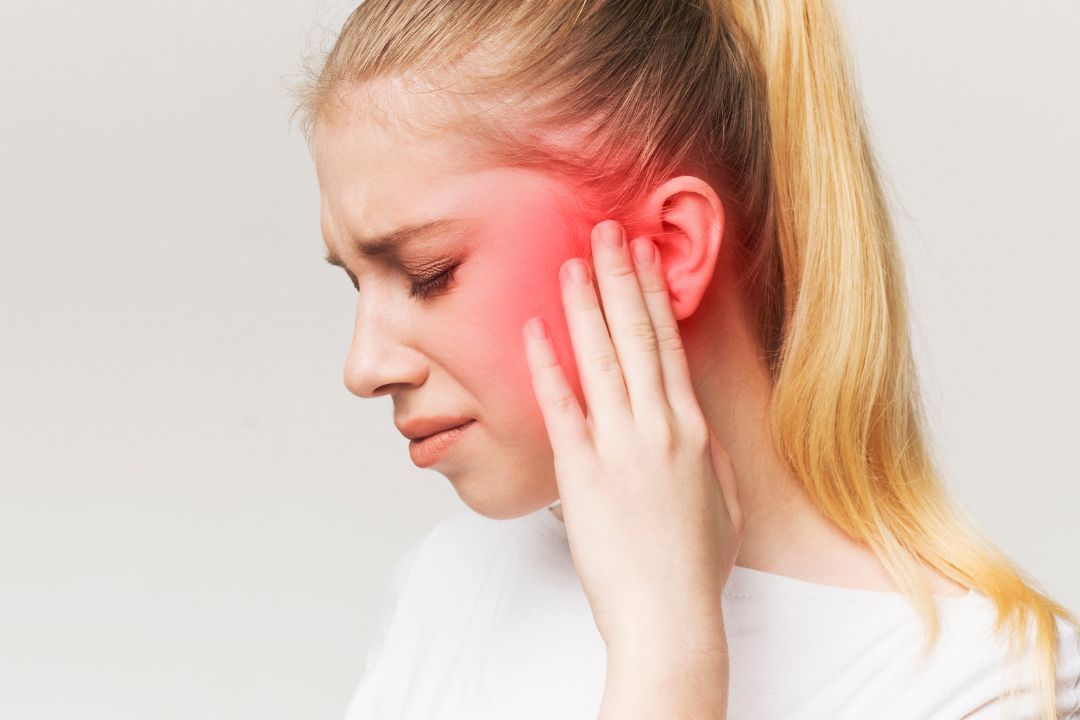
Tinnitus
Tinnitus is the perception of sound with no external source, most often described as ringing, buzzing, or hissing. A proper evaluation identifies what is driving it so we can build a care plan around your specific situation.
Tinnitus is the perception of sound with no external source. Most people describe ringing, but it can also be buzzing, hissing, roaring, or a pulse. It affects around 10 to 15 percent of adults, and for some it is a background annoyance while for others it interferes with sleep, concentration, and mood.
There is no single answer that works for everyone. That is the reason we assess properly before recommending anything.
What causes tinnitus
Tinnitus is a symptom rather than a condition in itself. The most common association is hearing loss: when the ear sends less signal to the brain, the brain often becomes more active in the frequencies it has stopped receiving.
Other common contributors include noise exposure, earwax blockage, middle ear problems, certain medications, head or neck injury, and stress. Occasionally tinnitus points to something that needs medical attention, which is one reason a proper evaluation matters, particularly if it is in one ear only or pulses in time with your heartbeat.
Your tinnitus evaluation at HearSense
A tinnitus evaluation is longer and more detailed than a standard hearing test. It usually takes around 90 minutes.
History. We start with a conversation. When it started, what it sounds like, what makes it better or worse, how it affects your sleep and your day. This part matters more than people expect.
Hearing assessment. A full diagnostic audiologic evaluation, including testing at higher frequencies than a standard screening covers, because hearing loss and tinnitus are so closely linked.
Tinnitus measurement. We match the pitch and loudness of your tinnitus, measure your minimum masking level, and check for residual inhibition. We also screen for sound sensitivity, which often travels with tinnitus.
Impact. We use a validated questionnaire so we have a number to track rather than an impression. That gives us a baseline and a way to show you whether things are actually changing.
Discussion. We go through the findings with you and agree a plan.
What happens after your evaluation
Everyone leaves with a tinnitus care plan. What is in it depends on what we found.
If hearing loss is part of the picture, hearing aids are often the single most effective step, and many models include built-in sound therapy.
The Oto program is part of the care plan for most of the adults we see. For some patients we add Lenire as well. We also cover sound enrichment, sleep, and the practical strategies that make the biggest difference day to day.
How Lenire and Oto work together
These are not alternatives, and you will not be asked to pick one.
Oto is part of the tinnitus care plan we build for you. Most of our patients who use Lenire use Oto alongside it, because the two do different jobs.
Lenire uses bimodal neuromodulation. You wear headphones and hold a small device against your tongue, and the two signals are delivered together. We configure it for you and you use it at home, around an hour a day.
Oto is a smartphone app. It uses therapeutic sound, with CBT-based techniques alongside, in short daily sessions of around ten minutes across an three-month structured program. It is the part of the plan that gives you a routine and support between appointments, which is usually the hardest part to manage on your own.
Oto is also used on its own, for patients who are not candidates for Lenire on assessment, or who would rather not use a device.
Schedule a tinnitus consultation
If tinnitus is affecting your sleep, your concentration, or your mood, a proper evaluation is the place to start. Call us or book online.

Masgutova Method - MNRI® Core Specialist
- MNRI® Basal Ganglia Reflex Integration
- MNRI® Dynamic and Postural Reflex Integration (2x)
- MNRI® IPET Archetype Movement Integration
- MNRI® IPET NeuroStructural Reflex Integration
- MNRI® IPET NeuroTactile Integration
- MNRI® IPET Repatterning and Integration 1
- MNRI® Introduction to Reflex Neuromodulation for Concussion Recovery
- MNRI® NeuroStructural Reflex Integration
- MNRI® NeuroTactile Integration
- MNRI® Oral-Facial Reflex Integration Level 1
- MNRI® Proprioceptive and Cognitive Integration
- MNRI® Stress Hormones and Reflex Integration
- MNRI® Trauma and PTSD Recovery
- MNRI® Visual and Auditory Reflexes Integration
contact us
Get in touch with our clinic.
Contact HearSense SC in Columbia, South Carolina.
Send us an email with your questions and we'll get back to you as soon as we can.
Phone
Call us today. If after business hours, we'll get back with you as soon as possible.
Office
If you're coming to our clinic for an appointment, here is where we're located.
SC 29223 USA

@2020 HearSense SC.