
Why a Normal Hearing Test Doesn't Rule Out Listening Problems
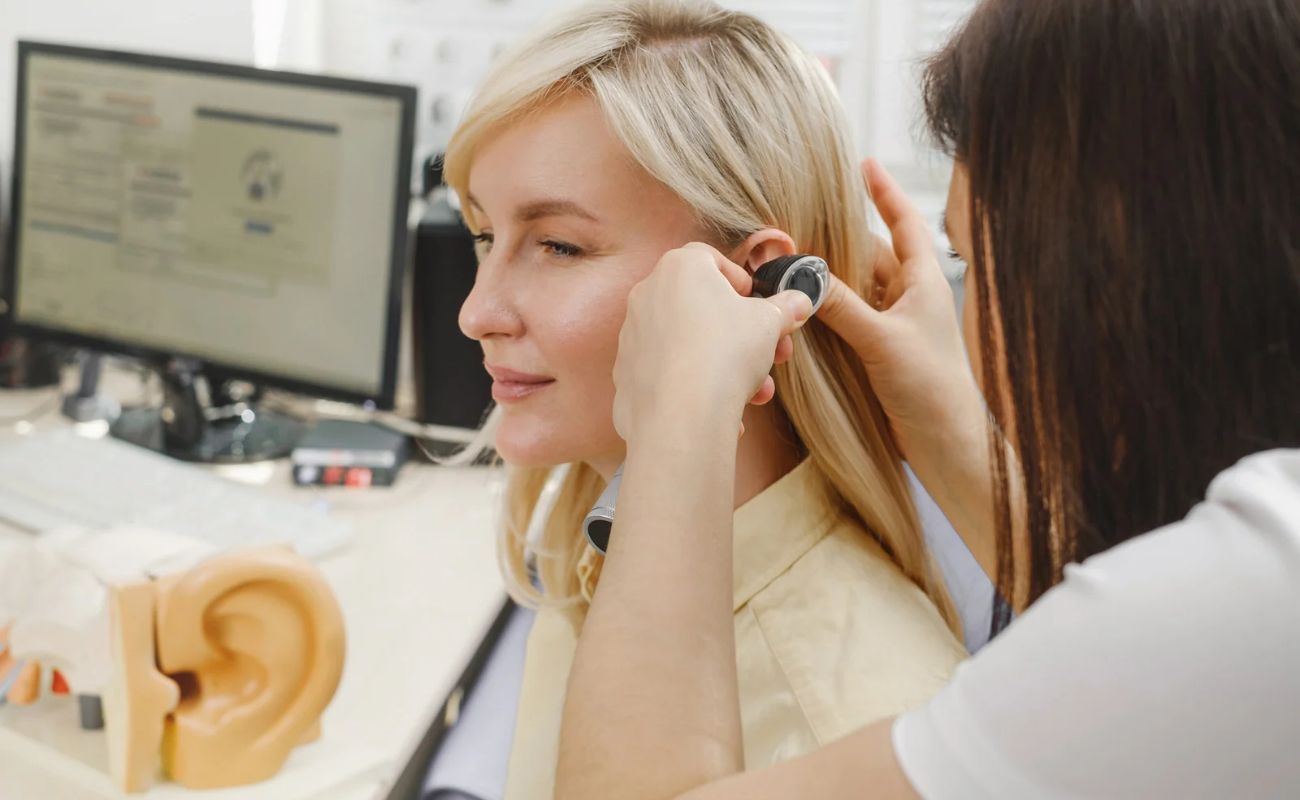
Many families leave a hearing test with good news and the same unanswered concern. The audiogram is normal, yet a child still misses directions in class, or an adult still loses the thread of conversation at a busy restaurant. A normal hearing test tells you that sound is reaching the ears clearly. It tells you much less about how well the brain makes sense of that sound once it arrives.
Hearing Sensitivity and Auditory Processing Are Different Skills
A standard hearing test measures hearing sensitivity. During pure-tone testing, we find the softest sounds you can hear across a range of pitches, and other measures check how the eardrum, middle ear, and inner ear are working. These results show whether the ears are picking up sound the way they should.
Auditory processing is what happens next. Once sound travels through the ear, the auditory nerve carries it to the brain, which has to separate speech from background noise, recognize individual speech sounds, hold information in memory long enough to use it, and keep everything in the right order. When those steps are delayed or distorted, a person can hear every word at a normal volume and still have trouble understanding or remembering what was said.
This is the basis of Auditory Processing Disorder (APD), also called Central Auditory Processing Disorder (CAPD). People with APD typically have normal or near-normal hearing sensitivity, and their difficulty lies in how the brain interprets complex sounds such as speech.
Signs That Listening Is Harder Than It Should Be
Auditory processing difficulties can affect both children and adults. Common signs include:
- Trouble understanding speech in noisy places, such as classrooms, cafeterias, or restaurants
- Difficulty following multi-step directions or remembering information given out loud
- Frequently asking people to repeat themselves
- Struggles with reading, spelling, or language-based learning
- Feeling unusually tired after long periods of listening
If these patterns sound familiar and a recent hearing test came back normal, an auditory processing evaluation is a reasonable next step.
How Auditory Processing Is Evaluated
An APD evaluation looks at the central auditory nervous system, the pathways and brain regions that analyze sound. At HearSense SC, our four-step test battery looks at four areas of auditory processing:
- Decoding: quickly and accurately understanding speech at the level of individual sounds
- Tolerance-Fading Memory: understanding speech in noise and holding auditory information in short-term memory
- Integration: combining what you hear with what you see, which often affects reading and spelling
- Organization: keeping auditory information in the correct order, such as following directions step by step
The specific tests we use depend on the patient's age, the concerns that led to the referral, and which auditory skills need a closer look. Before any processing tests begin, we confirm that hearing sensitivity is normal. If a recent hearing test hasn't been done, we can complete one in our clinic, including speech-in-noise testing such as the QuickSIN.
What to Expect During Your Visit
For children, the process begins with a 30-minute telehealth consultation. We review the case history, decide whether testing is appropriate, and explain what the evaluation involves. The evaluation itself takes about two hours in person and includes a primary reflex check. About one week later, we meet by telehealth for a one-hour consultation to go over results and recommendations, and the full written report is available within one week.
For adults, we start by confirming normal hearing. The APD evaluation takes about two hours in person, followed roughly one week later by a 30-minute telehealth consultation to review results. The report is generally ready before that conversation.
Treatment Options After a Diagnosis
An evaluation identifies where the breakdown is happening, which gives us a clear direction for treatment. Depending on the results, a plan may include environmental changes at home, school, or work, listening strategies, assistive listening devices, and auditory training. We offer Buffalo Model auditory training (available in person or by telehealth), ARIA therapy completed over four in-person sessions, and Interactive Metronome.
Schedule an Auditory Processing Evaluation in Columbia, SC
Auditory processing is the central focus of our practice, and we see patients ages 4 and up. Dr. Megan Thomas has completed Master Courses in APD evaluation and therapy through the Auditory Processing Institute, and Dr. Laurel Eng also provides auditory processing testing at our clinic.
If you or your child passed a hearing test but still struggles to follow conversations, we'd be glad to help you find answers. To schedule an auditory processing evaluation in Columbia, SC, call HearSense SC at (803) 567-2533. Our clinic is located at 115 Atrium Way, Suite 102, Columbia, SC 29223.
Related Articles
Read more articles
We have more information about APD, Audiology, hearing aids, hearing loss and more.
Why a Normal Hearing Test Doesn't Rule Out Listening Problems
Four New Hearing Aids Just Released for Columbia Patients
Signs of Auditory Processing Disorder in the Classroom

@2020 HearSense SC.