
Four New Hearing Aids Just Released for Columbia Patients
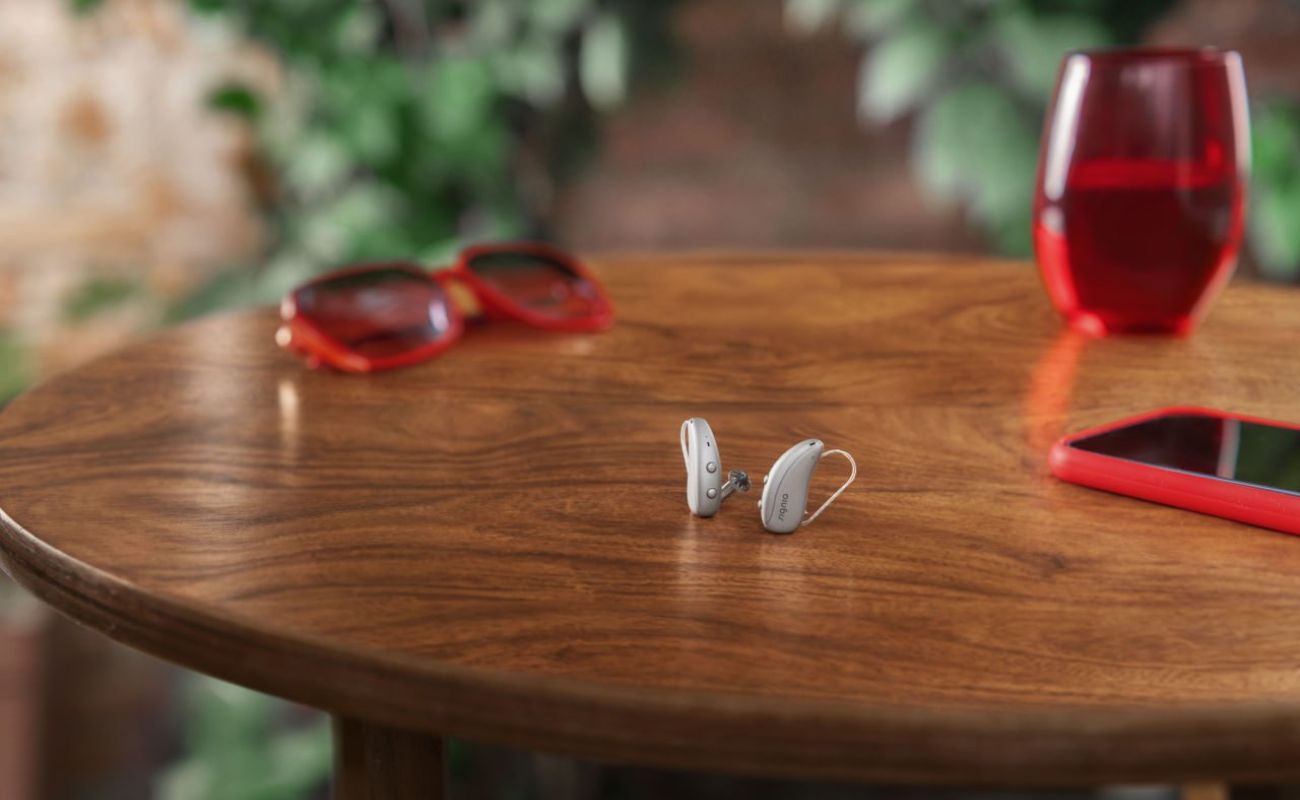
August 2026 was a big month for hearing aids. Four major manufacturers released brand-new platforms within weeks of each other, which almost never happens. If you've been thinking about upgrading or getting hearing aids for the first time, the timing couldn't be better. Here's what you should know before choosing new devices.
Quick Comparison
Phonak EON
- Rechargeable: yes
- AI highlight: Spheric Speech Clarity 3.0 for speech in noise
- Best fit for: people who struggle in restaurants or windy outdoor settings
Signia Pure Charge&Go MaX
- Rechargeable: yes
- AI highlight: four DNNs coordinating speech, noise, and own voice
- Best fit for: people who want strong performance in busy group conversations
Oticon Reveal
- Rechargeable: yes
- AI highlight: dual AI balancing speech and environmental sound
- Best fit for: people who want to stay aware of their surroundings, not just hear speech
ReSound Sensia
- Rechargeable: yes
- AI highlight: AI designed to identify who you actually want to hear
- Best fit for: people frustrated by hearing aids that pick up the wrong voice
Phonak EON: Smaller, Lighter, Built for Noise
Phonak's newest platform is the third generation of its Sphere technology, and the standout change is size. It's 25% smaller and 20% lighter than the previous Sphere hearing aid, which matters more than people expect once they've worn one all day. The Spheric Speech Clarity 3.0 processing is now available across three performance levels instead of just the top two, so more patients can access it without stretching for the most expensive option.
Wind noise is where EON really pulls ahead. Its WindBlock 2.0 feature reduces wind-related microphone noise substantially while still preserving speech clarity, a clear step up from the wind handling in earlier Sphere devices. If you spend time outdoors, whether that's walking, gardening, or just sitting on a porch, this is worth a demo.
Signia Pure Charge&Go MaX: Four AI Systems Working Together
Signia took a different approach with MaX. Rather than one AI system managing noise reduction, four separate deep neural networks run at the same time, each handling a different job: identifying speech, recognizing the wearer's own voice, reading the acoustic scene, and controlling noise reduction. They all talk to each other continuously.
That matters most in group settings. Family dinners. Meetings. A crowded restaurant table. Signia's own research found that a large majority of participants performed better in noisy group conversations with MaX compared to competing devices. We'd note that's manufacturer-funded research, and every patient's ears and listening needs are different, but it's a promising sign for anyone whose biggest complaint is "I can't keep up when more than one person is talking."
Oticon Reveal: Balancing Speech and the World Around You
Oticon's philosophy has always leaned toward preserving the full sound environment rather than aggressively stripping it away, and Reveal continues that with a new twist. It's built around two AI systems running side by side. One focuses purely on speech. The other preserves meaningful background sound, so you're not left hearing a voice floating in silence.
This one tends to appeal to patients who've tried aggressive noise-cancelling hearing aids before and felt disconnected from their surroundings. Oticon also improved its feedback management significantly with Reveal, which should help patients who've dealt with whistling or squealing in the past, particularly with open or vented fittings.
ReSound Sensia: Aimed at the Right Voice
The problem ReSound set out to solve with Sensia is a subtle one. Deep neural network hearing aids are good at cleaning up speech, but they're not always good at knowing which speech you actually care about. Background music, a nearby conversation, a television across the room. Sensia's processing is designed to better identify and prioritize the voice you're trying to follow, not just any voice in the room.
If you've owned a hearing aid before and felt like it amplified the wrong things at the wrong times, this is the platform built to address exactly that.
Schedule Your Consultation in Columbia
We know four new product launches in one month is a lot to sort through on your own, and honestly, most patients don't need to. That's what your consultation is for. Our team at HearSense SC will run a full hearing evaluation, talk through what your day actually sounds like, whether that's noisy family gatherings, windy afternoons outside, or quiet one-on-one conversations, and match you to whichever of these platforms actually fits your ears and your life. Not just whichever one launched most recently.
Give us a call at (803) 567-2533 or stop by our Columbia office at 115 Atrium Way #102 to get started.
Related Articles
Read more articles
We have more information about APD, Audiology, hearing aids, hearing loss and more.
Four New Hearing Aids Just Released for Columbia Patients
Signs of Auditory Processing Disorder in the Classroom

What Is ARIA Therapy and Could It Help Your Child?

@2020 HearSense SC.